How to study chess: five methods to try
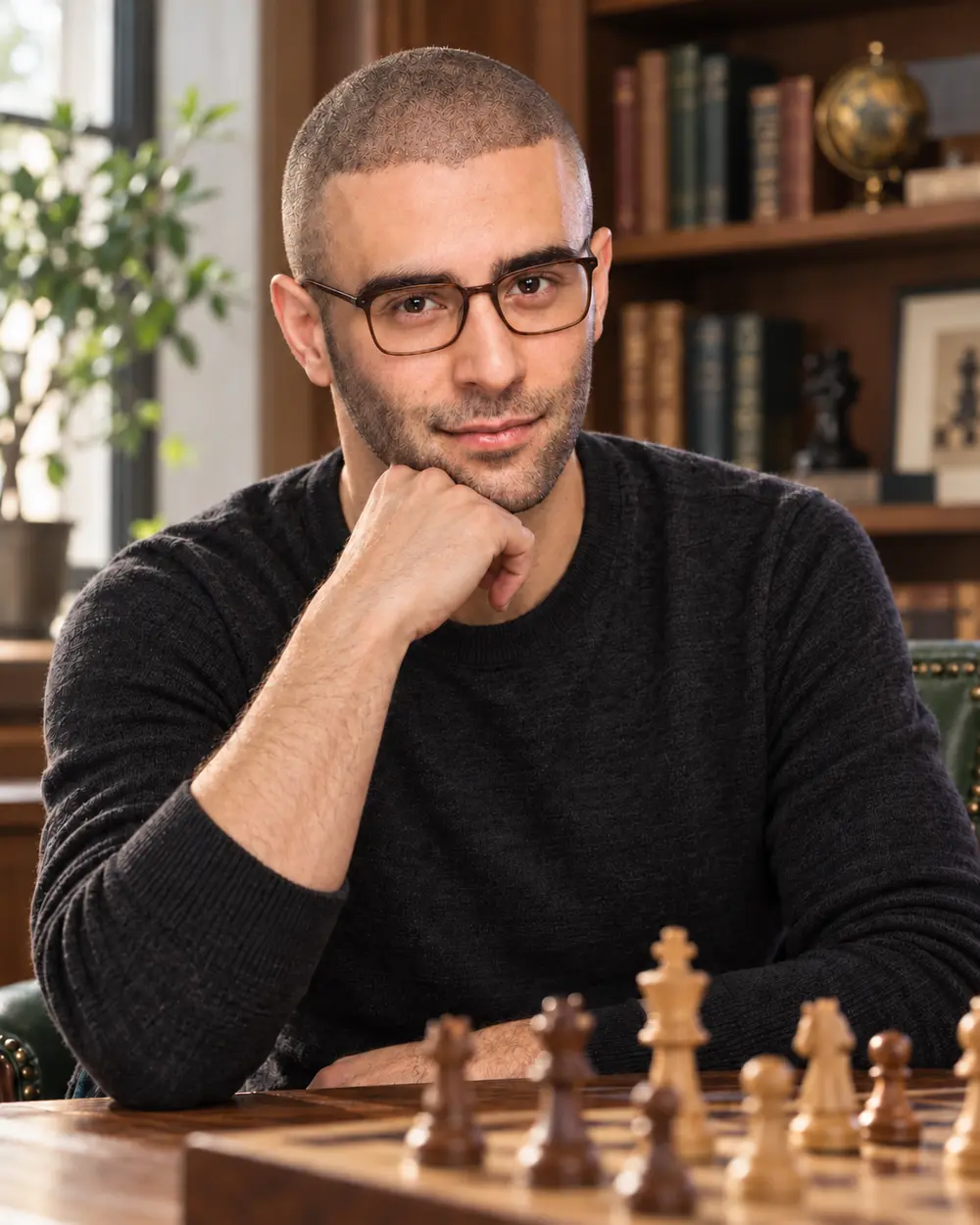

Your study routine should give you time to think through positions and check your reasoning. Reading a chapter or watching a game is a starting point. Pause often enough to work out what you would play.
The methods below cover different parts of that routine. Choose the one that addresses a problem you recognize in your own games.
Work through the position yourself
When you solve a tactical exercise, consider the opponent's replies before checking the answer. With an annotated game, stop before an important move and decide what you would do.
Write down your reasoning if you tend to rush. It gives you something to compare with the explanation and helps you notice where your calculation went off course.
Examine your mistakes
Return to a recent error and separate the move from the circumstances around it. Did you miss a threat, misunderstand the position or hurry because you were short of time?
Look at what happened afterward, too. You may have found a defensive resource or made the position harder to save. Both are worth discussing in a review.
Choose a manageable challenge
Work with material that requires effort but leaves you able to follow the solution. If every exercise feels obvious, choose something harder. If the explanations remain baffling, spend more time on the underlying idea.
A few carefully examined positions can give you more to remember than a long session of guessing at answers.
Give the middlegame some attention
Once your pieces are developed, choosing a plan can feel less straightforward. Use your own middlegames to practice identifying threats and deciding which pieces need better squares.
Compare possible plans before calculating a long line. Try explaining what each move is meant to achieve. If you cannot explain the idea, return to the position and look again.
Revisit your routine
Check whether your practice addresses the mistakes you are making now. A routine that helped you learn the rules may need to change as your games become more demanding.
A coach can review your games and suggest a narrower focus. Read how to reassess your chess strategy for a way to organize that conversation.

